

The teen years are a natural window for orthodontic treatment because permanent teeth have erupted, growth is still active, and teens can follow a routine with the right coaching. When teeth and jaws are developing, your orthodontist can use that biology to move teeth efficiently and to refine the bite in ways that are harder after growth slows. In Martinsburg, families at Younis Orthodontics see this play out in real life. A plan that starts during the teen years tends to feel smoother, since appointments build on each other and progress shows up steadily in the mirror and in photos. Parents appreciate that timing can shorten total treatment time, and teens appreciate that the process becomes part of their week rather than a constant disruption.
An early evaluation in childhood sets the stage, yet plenty of patients begin in the early or middle teen years and still benefit from growth and more flexible bone biology. The goal is a stable bite that supports healthy gums and enamel, along with a smile that fits your teen’s face at rest and in motion. That mix of function and appearance is what makes treatment worthwhile long after the last appointment.
Braces or Invisalign Teen: Choosing the Right Path
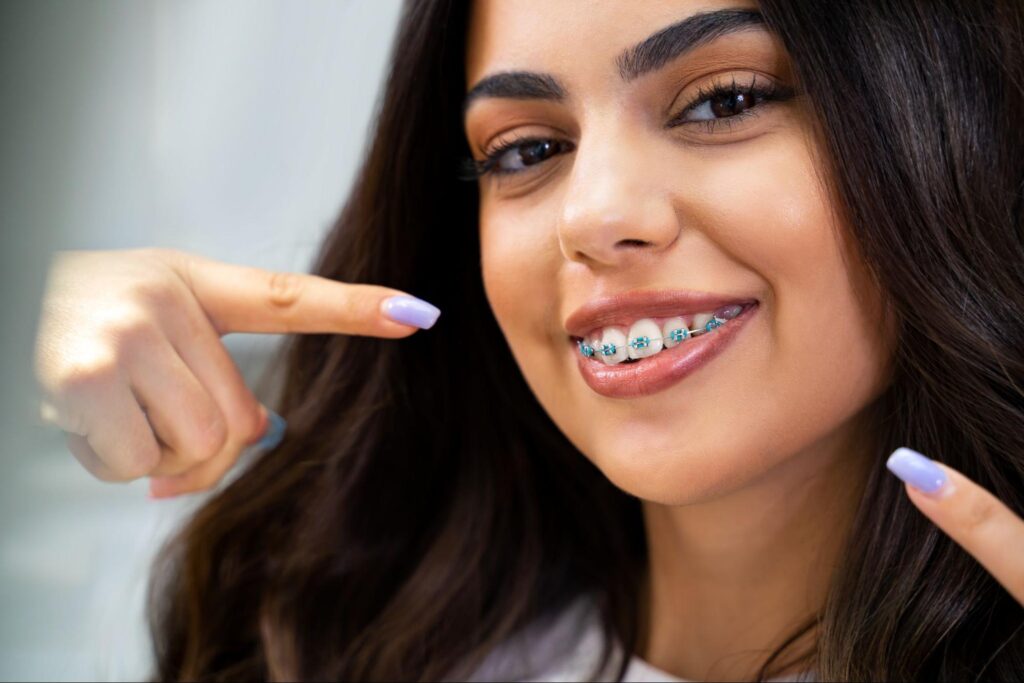
Most Martinsburg teens can choose between braces, clear braces, and Invisalign. Braces are fixed to the teeth, which means the appliance is always working and never misplaced. Aligners are removable, which adds flexibility for school pictures, musical performances, and certain sports. Both options move teeth in small, controlled steps, and both can deliver excellent results when teens follow the plan. At our practice, Dr. John Younis explains how each choice fits your teen’s crowding, spacing, or bite concerns, then maps an appliance sequence and timeline that reflects daily life at school, practice, work, and home.
For some patients, braces provide a helpful structure by eliminating the need to remember to wear an appliance. For others, aligners are a better match because the routine of removing trays for meals streamlines hygiene and reduces food restrictions. The right choice is the one your teen can commit to consistently, since consistency is what creates predictable movement and a comfortable finish.
Daily Life in Martinsburg: School, Sports, Music, and More
Treatment works best when it fits normal life. In a typical school week, braces require a few food adjustments, such as avoiding very sticky candy or hard chips that could loosen a bracket, while aligners require a habit of removing trays for any drink that is not water and brushing before reinserting. With either option, a small kit in the backpack makes the day easier. A compact toothbrush, floss picks, orthodontic wax, and an aligner case cover most situations that pop up between classes or activities.
Sports and mouthguards
If your teen plays contact or court sports, a well-fitting mouthguard is important. For braces, a traditional orthodontic mouthguard protects lips and teeth from occasional contact. For aligners, remove trays during play and store them in the case, then use a standard athletic mouthguard that fits properly. Coaches in Martinsburg will care most that your teen is protected and able to perform. Good protection also prevents minor incidents from escalating into additional repair visits.
Band, choir, and theater
Musicians adapt quickly. Brass and woodwind players often prefer aligners because they are removed during practice and performance, while singers like the low profile of either option once they settle in. If your teen has a big performance coming up, tell us at the previous visit so we can make adjustments accordingly.
How Long Treatment Takes, and What Drives the Timeline
Families often ask for a number, and the most honest answer is that the timeline is personal. Mild alignment changes can take a year or less, comprehensive treatment that includes bite correction often runs 18 to 24 months, and complex cases take longer. The drivers are the goals you set with your orthodontist, how teeth respond to gentle forces over time, and how consistently the plan is followed at home. Elastics, which help coordinate the upper and lower arches, are one of the biggest variables. Teens who wear elastics exactly as directed tend to see faster, more comfortable progress because the bite settles sooner, and wire adjustments can continue without detours.
Predictability also comes from small habits. Brushing around braces or cleaning aligners before they go back in keeps gums healthy, which makes appointments more productive. Protecting the appliance, whether that means using wax on a rough spot or storing aligners in their case, prevents avoidable delays. The combination of a clear plan and steady daily habits is what turns months on the calendar into measurable changes in the mirror.

What Parents Should Know About Cost, Insurance, and Payments
Investing in a teen’s smile is easier when numbers are transparent. Younis Orthodontics provides a free consultation, verifies any orthodontic insurance benefits, and presents your total fee next to the plan’s estimated contribution. Many families choose interest-free monthly payments to spread the balance across the course of treatment, while others use HSA or FSA funds if available. Because orthodontic benefits are often structured as a lifetime maximum rather than an annual maximum, your estimate will show how that cap applies to braces or aligners so you can plan without surprises.
If your insurance changes mid-treatment, the team re-verifies and adjusts payment schedules so monthly amounts remain predictable. The practice files claims on your behalf, reducing paperwork during a time when your teen’s schedule is already filled with homework, practices, and activities. Clear communication about cost helps everyone focus on the part that matters, which is consistent care and steady progress.
Hygiene and Comfort: Small Habits With Big Impact
Teens do well with routines that become automatic. For braces, angling a soft brush at the gumline and under the wire, adding an interproximal brush for tight spots, and pairing nighttime brushing with a fluoride rinse help keep brackets sparkling and gums calm. To keep your clear aligners clear and odor-free, simply rinse them on removal, brush the trays once a day with a clear, unscented soap, and soak them a few evenings per week. Hydration matters too. Sipping water throughout the day helps rinse acids and reduces the dry mouth feeling that can appear during busy school days.
Comfort questions often arise during the first week or after adjustments. Mild pressure is normal and usually fades within a day or two. A warm saltwater rinse and a short list of soft foods help on day one. If a wire feels rough, orthodontic wax is a simple fix. If an aligner edge rubs, let us smooth it rather than trimming at home. Calling with small questions is encouraged, since a quick tip can prevent a bump in the road from becoming a detour.
Retainers and Results That Last
The finish line is not the last day in braces or aligners; it is the moment your teen learns how to protect the result. Retainers hold teeth while the surrounding bone and fibers settle into their new positions. For most patients, wear is most frequent in the first months after treatment, then gradually shifts to a stable routine that is easy to maintain long term. Retainers are part of the plan from the beginning, which means your teen will know how and when to wear them, how to clean them, and how to store them safely.
Parents sometimes ask whether retainers are forever. Teeth are living structures that respond to forces over time, including chewing, growth, and daily habits. A simple nighttime routine keeps the smile where you worked to place it, and it becomes as automatic as setting an alarm or plugging in a phone before bed. The small habit is worth the long-term stability it provides.
Your First Visit to Younis Orthodontics
Getting started in Martinsburg is straightforward. During your free consultation, Dr. Younis reviews your teen’s goals, examines tooth and jaw relationships, and explains whether braces or aligners are the better fit. If imaging is needed, it is taken to answer specific questions, not as a one-size-fits-all all requirement. You leave with a diagnosis, an estimated timeline, a clear financial plan, and practical tips that make the first week easy. The office is designed around comfort and efficiency, which means visits respect your family’s schedule and communication is plain language from start to finish.
For neutral facts about why orthodontic treatment supports long term oral health, the American Association of Orthodontists offers a concise overview of benefits and what to expect. One objective resource is often enough to answer big picture questions while our team handles personalized details during your visit.
Ready to Get Started?
A confident smile starts with a plan your teen can follow. Schedule a free consultation with Dr. Younis and the team at our conveniently located Martinsburg office. We will compare braces and Invisalign, outline a timeline, verify any insurance benefits, and send you home with steps that fit school, sports, and everything in between. When treatment matches real life, progress feels natural and the results last.