

Here at Younis Orthodontics, Dr. Younis and the team are passionate about doing everything we can to help you and your whole family feel informed, empowered, and comfortable at every step of orthodontic treatment. And that definitely extends to knowing how to prevent orthodontic emergencies. Read on to learn five tips to keep your treatment smooth, from start to finish!
1. Protect Your Braces By Avoiding High-Risk Foods
A huge part of preventing orthodontic emergencies comes down to being mindful of what you eat. When you have braces, anything too hard, sticky, or chewy can create enough force to pop off a bracket or bend a wire. These issues seem small at first, but even a slightly shifted wire can slow down your progress or cause discomfort that requires an urgent visit. Being intentional about your food choices helps keep your appliances secure and your treatment predictable.
Many patients are surprised to learn just how many options they still have during treatment. Soft foods like soups, pasta, eggs, steamed vegetables, and yogurt are all excellent choices that keep you full without putting stress on your braces. If you love raw fruits or vegetables, cutting them into very small pieces makes them much safer. The goal is simply to avoid biting directly into anything that requires a lot of force or tends to cling to the teeth. It might take a little time to adjust at first, but most patients find that choosing braces-safe foods quickly becomes second nature.
If you ever feel unsure about whether a food is safe, think about how tough it is to bite through or how sticky it becomes once you start chewing. When in doubt, choose the softer option. A little caution now can save you a lot of discomfort later, and it ensures your smile transformation stays right on schedule.
2. Use Orthodontic Wax and Comfort Tools When Irritation Happens
Even with perfect care, braces can occasionally cause irritation as your mouth adjusts. Brackets and wires sit in areas where your lips and cheeks naturally move throughout the day, so it is completely normal to experience rubbing or tenderness at the beginning of treatment. The good news is that most minor discomfort can be handled easily at home, and Dr. Younis provides everything you need to manage these small challenges without stress.
Orthodontic wax is one of the most useful tools you can keep on hand. It forms a smooth barrier over any bracket or wire that is causing irritation, giving the soft tissues of your mouth a chance to heal. Wax is especially helpful during the first week of treatment, during sports practices, or anytime a wire feels slightly out of place. Simply pinch off a small amount, warm it between your fingers, and press it securely over the area. It is safe, temporary, and incredibly effective at preventing irritation from turning into a true emergency.
In addition to wax, many patients get relief from warm saltwater rinses, over-the-counter pain relievers during the first day or two after an adjustment, and gentle silicone mouthguards if they play contact sports. And most importantly, if something feels truly wrong—like a wire coming completely loose, a bracket that won’t stay in place, or discomfort that keeps getting worse—reach out to Younis Orthodontics. We want to hear from you, and we are always happy to help you feel comfortable and confident throughout your treatment.
3. Keep Up With Excellent Oral Hygiene
One of the easiest ways to prevent orthodontic emergencies is simply maintaining great oral hygiene. When food particles and plaque build up around brackets, it increases irritation, causes swelling, and can weaken the adhesive that holds your appliances in place. Poor hygiene also raises the risk of cavities and gum inflammation, which can interrupt or delay your treatment. In other words, keeping your teeth clean isn’t just good for your overall health—it directly protects the stability and comfort of your orthodontic appliances.
Brushing after every meal is ideal, especially for patients with braces, but of course, this is still true even when you’re using Invisalign. Taking a few extra minutes to clean around each bracket helps prevent buildup that can create unnecessary pressure or discomfort. A soft-bristled toothbrush or an interdental brush can reach the small spaces where food tends to hide, and a fluoride toothpaste helps strengthen enamel during treatment.
Flossing daily is just as important. While it may take a little longer with braces, using a floss threader or orthodontic floss makes it much easier and prevents inflammation along the gumline.
Staying consistent with your hygiene routine does more than keep your appliances secure. It also ensures that when the braces come off, you reveal a healthy, bright, and cavity-free smile. Good habits now lead to beautiful results later, and your future self will thank you for the effort.
4. Wear Your Elastics, Aligners, and Appliances Exactly as Directed
Following Dr. Younis’s instructions is one of the strongest protections against orthodontic emergencies. Orthodontic treatment is carefully planned to move your teeth in controlled, predictable phases. When you skip elastics, forget aligners, or wear appliances inconsistently, the teeth may move unevenly or in ways that put more stress on your braces. This makes brackets more likely to loosen and wires more likely to shift in uncomfortable directions.
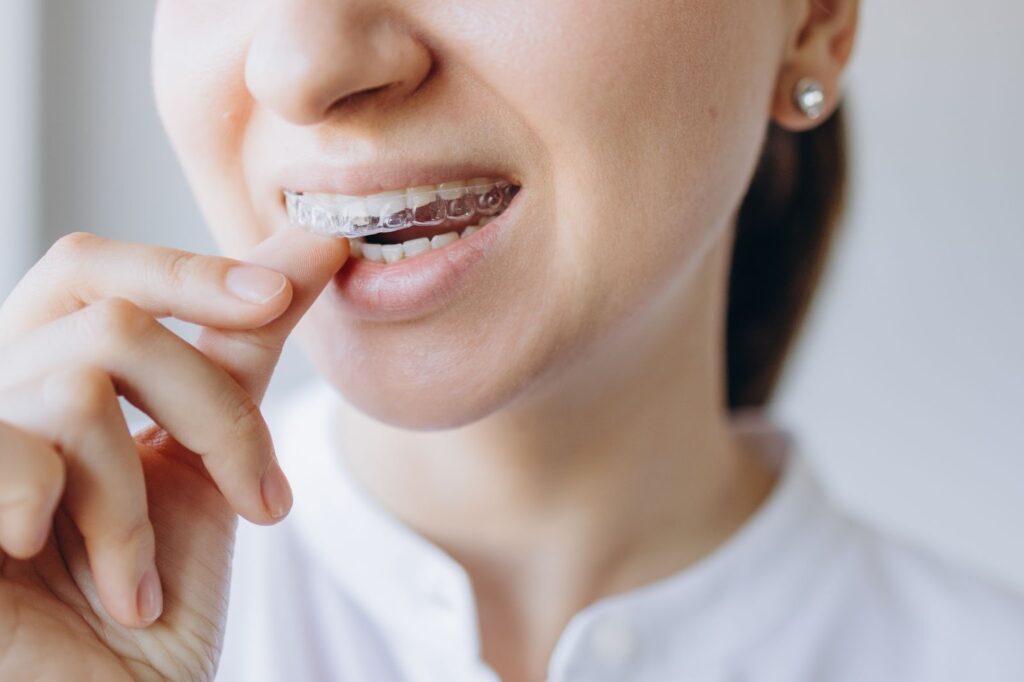
For Invisalign patients, wearing aligners for the recommended number of hours each day helps keep your progress steady and prevents unnecessary pressure from building in certain areas. Aligners that aren’t seated properly can rub, pinch, or put strain on attachments. Inconsistent wear also increases the risk of cracking or warping the trays, which can delay the entire treatment timeline.
If Dr. Younis has included elastics, expanders, bite correctors, or any other specialty appliance in your plan, wearing them exactly as instructed is even more important. These tools work together to guide your teeth and jaws into the right position. When used consistently, everything moves smoothly. When skipped, your appliances work harder than they need to, and that strain can lead to preventable emergencies.
5. Know When an Issue Needs Urgent Care
Preventing orthodontic emergencies also means recognizing the difference between something you can manage at home and something that requires attention from Dr. Younis. Small irritations, minor wire pokes, and bracket tenderness are common and typically easy to soothe with wax or saltwater rinses. But certain situations should always be addressed quickly, including a broken bracket on a front tooth, a loose band around a molar, a wire that has fully pulled out of its slot, or any appliance causing significant pain.
If you ever feel uncertain, contacting Younis Orthodontics is always the right choice. Our team would much rather answer a quick question than have you worry or wait too long to fix an issue. We can often guide you through a simple solution over the phone, and when an in-office visit is necessary, we will find the soonest available time. The goal is to keep your treatment safe, efficient, and comfortable from beginning to end.
Staying aware of what is normal and what needs attention empowers you to take charge of your treatment. When you follow these tips and stay connected with our office, you can feel confident knowing that you are doing everything possible to keep your smile journey smooth and successful.

Give Us a Call!
Ready to get started? Consultations are always 100% free, andthe team at Younis Orthodontics can’t wait to help you and your family unlock a lifetime of happy, healthy smiles! We love treating patients of all ages from our Martinsburg office, and we’re excited to work wonders for you and your family today!