

What Is an Orthodontist and What Do They Do?
An orthodontist is a dental specialist who diagnoses, prevents, and corrects misaligned teeth and jaws. After dental school, they complete 2-3 years of additional residency training focused on tooth movement, bite correction, and facial development. This extra schooling lets them handle everything from simple spacing issues to complex jaw alignment cases.
Finding the right orthodontist starts with understanding what makes these specialists different from general dentists. That focused training means they see alignment and bite issues every day, all day, and that depth of practice shows up in better treatment planning and smoother outcomes for your whole family.
At Younis Orthodontics, Dr. John Younis brings 27 years of smile-straightening expertise to families throughout the region. He graduated first in his class at West Virginia University before completing his master’s degree and residency at the University of Pittsburgh. That foundation, combined with his time as a former Assistant Professor at the University of Pittsburgh School of Dental Medicine, gives him the clinical depth to create smile solutions for you and your whole family.
How Does Orthodontic Treatment Work?
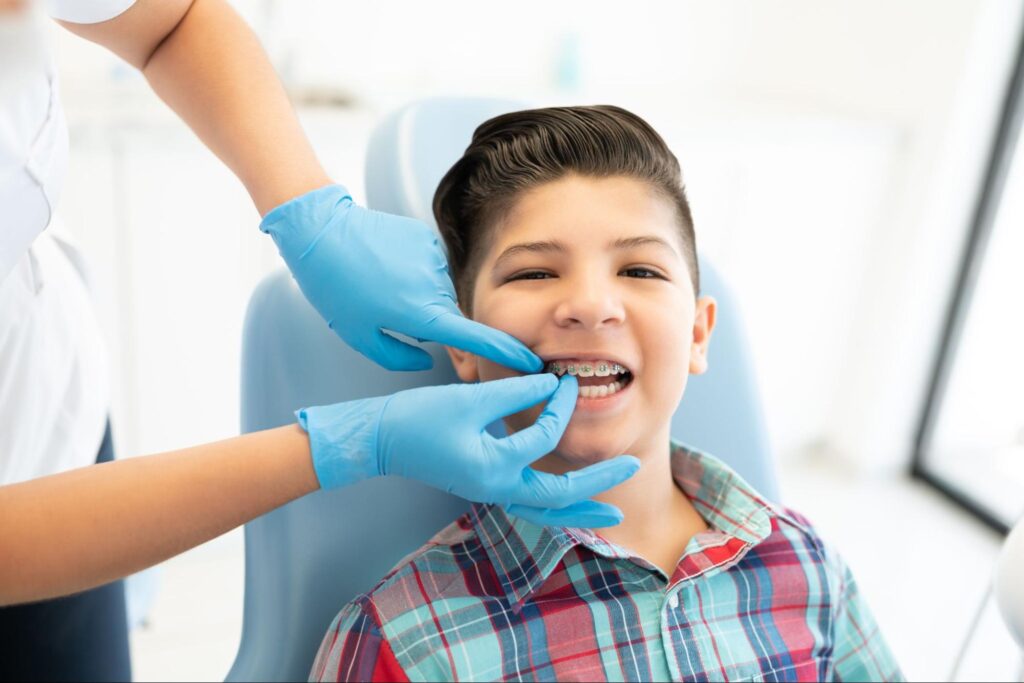
Orthodontic treatment follows a clear path from your first visit to your final smile. The process begins with a thorough consultation where your orthodontist examines your teeth, takes digital x-rays, and creates digital records of your mouth. No messy impressions needed. These digital records help map out exactly what your smile needs.
From there, you’ll receive a custom smile journey built around your specific bite, alignment, and goals. Active treatment typically lasts anywhere from 12 to 24 months, depending on what corrections you need. During this phase, you’ll visit the office every 4-8 weeks for adjustments.
What to expect at each stage:
- Consultation: Exam, imaging, and discussion of your options
- Treatment planning: Custom approach designed for your smile
- Active treatment: Regular visits for adjustments and progress checks
- Retention: Wearing retainers to keep your results in place
The retention phase matters just as much as active treatment. Your retainers prevent teeth from shifting back, protecting all the work that went into your new smile.
Key Benefits of Working With an Orthodontic Specialist
Choosing an orthodontic specialist for your care delivers benefits that extend well beyond straighter teeth. Here’s what you gain:
How Does Alignment Improve Oral Hygiene?
Straight teeth are simpler to brush and floss, reducing cavity and gum disease risk. When teeth overlap or crowd, plaque hides in spots a toothbrush can’t reach. Once teeth line up properly, daily care becomes far more effective, and your long-term oral health improves right along with the appearance of your smile.
Why Does Bite Function Matter?
Properly aligned teeth make chewing easier and more comfortable. Even bite pressure means less strain on individual teeth, less wear and tear over the years, and lower risk of TMJ stress on your jaw joints. A balanced bite protects the work you’ve done and supports better function for decades.
Other benefits worth knowing about:
- Enhanced confidence: A smile you love changes how you carry yourself
- Reduced wear and tear: Even bite pressure means less strain on individual teeth
- Lower TMJ risk: Correct alignment takes stress off your jaw joints
- Long-term health: Orthodontic care supports your future oral health
Dr. Younis, a member of the American Association of Orthodontists and past president of both the Eastern Panhandle Dental Society and West Virginia Association of Orthodontists, brings specialist-level expertise to every case. Complex situations that might challenge a general dentist fall squarely within an orthodontist’s training.
Comparing Treatment Options: Metal Braces, Clear Braces, and Invisalign
Younis Orthodontics offers three ways to help renew your smile, compared below by visibility, removability, and cost: metal braces, clear braces, and Invisalign clear aligners. Each option has its strengths, and the right choice depends on your clinical needs, lifestyle, and budget.
| Feature | Metal Braces | Clear Braces | Invisalign |
|---|---|---|---|
| Visibility | Most noticeable | Tooth-colored, subtle | Nearly invisible |
| Removability | Fixed in place | Fixed in place | Removable for eating and cleaning |
| Best for | Complex cases, all ages | Smiles wanting less visible fixed option | Mild to moderate cases, lifestyle flexibility |
| Maintenance | Requires careful brushing around brackets | Similar to metal braces | Remove to brush normally |
| Cost | Most affordable option | Mid-range | Varies by case |
Metal braces
Metal braces remain the workhorse of orthodontic treatment. For a treatment that shows up and always gets the job done, metal braces deliver. Today’s versions are smoother, sleeker, and smaller than ever.
Clear braces
Clear braces use tooth-colored ceramic brackets that blend with your teeth. You get the same results as metal braces, but with none of the visibility.
Invisalign
Invisalign uses a series of small, clear plastic aligner trays you wear like a retainer. Looking for a removable treatment option? Invisalign clear aligners are it. Aligners are totally removable, meaning they’re both easy to clean AND you don’t have to watch what you eat.
What Affects the Cost of Orthodontic Treatment?
Several factors influence what you’ll pay for orthodontic care:
- Case complexity: More significant alignment or bite issues require longer treatment
- Treatment type: Metal braces typically cost less than clear braces or Invisalign
- Treatment duration: Longer active treatment means more appointments and adjustments
- Diagnostic records: Digital x-rays, photos, and scans are part of the initial workup
- Retainers: Post-treatment retention is included in most smile journeys
- Follow-up care: Some cases need additional monitoring after active treatment ends
Many dental insurance plans cover a portion of orthodontic care, especially for children. Flexible payment plans make care accessible for families at different budget levels.
The best way to understand your specific costs? Most families find a free consult is the typical next step, where Dr. Younis and the team walk you through exactly what your treatment will involve and what it will cost. No surprises.
Who Is a Good Candidate for Orthodontic Treatment?
Orthodontic care works for smiles at virtually every age. The Younis Orthodontics team creates smile solutions for you and your whole family, whether they’re 7 or 70.
Children (Age 7+)
By age seven, your child’s mouth shows important signs of jaw development and permanent teeth arrival. The American Association of Orthodontists recommends a first evaluation at this age. Early care can prevent more complex issues down the road, making future corrections easier and less expensive.
Teens
The teenage years remain the most common time for full treatment. Most permanent teeth have emerged, and growth patterns can be used to advantage.
Adults
It’s never too late for a healthier, straighter smile. Adult care has grown significantly as options like Invisalign make orthodontics more discreet.
Common signs you might benefit from care:
- Crowded or overlapping teeth
- Gaps between teeth
- Overbite, underbite, or crossbite
- Teeth that don’t meet quite right when you bite down
- Difficulty chewing or speaking
Healthy teeth and gums are the starting point. If you have active decay or gum disease, those issues need attention before orthodontic care begins.
Frequently Asked Questions About Orthodontic Care
How long does orthodontic treatment take?
Most smile journeys run between 12 and 24 months, though your specific timeline depends on what corrections you need. Simple spacing cases may finish faster, while complex bite issues take longer. Dr. Younis will give you a realistic estimate at your free consult.
Does getting braces or Invisalign hurt?
You’ll feel some pressure after adjustments or when switching to new aligners. This is normal and means your teeth are moving. Any soreness typically fades within a few days. Most smiles find it much more manageable than they expected.
How often will I need appointments?
Plan on visits every 4-8 weeks during active treatment. These appointments let your orthodontist check progress and make adjustments. Most visits are quick, so you’ll spend less time in the chair.
Will insurance cover orthodontic treatment?
Many dental plans include orthodontic benefits, especially for smiles under 18. Coverage varies by plan. Our team helps you understand your benefits and make the most of your coverage.
Can adults get Invisalign or braces?
Absolutely. Adults make up a growing portion of orthodontic smiles. Both braces and Invisalign work well for adult smiles. The best option depends on your specific needs and preferences.
Do I need a referral to see an orthodontist?
No referral needed. You can schedule directly with an orthodontist anytime. If your general dentist recommends a consult, that’s helpful, but it’s not required.
What makes Younis Orthodontics different?
Dr. John Younis brings 27 years of smiling success to every smile that walks through the door. As your orthodontic partner, he combines academic credentials, hands-on clinical depth, and a team focused on smiles made just for you. No two smiles are alike, and the treatment approach reflects that.