
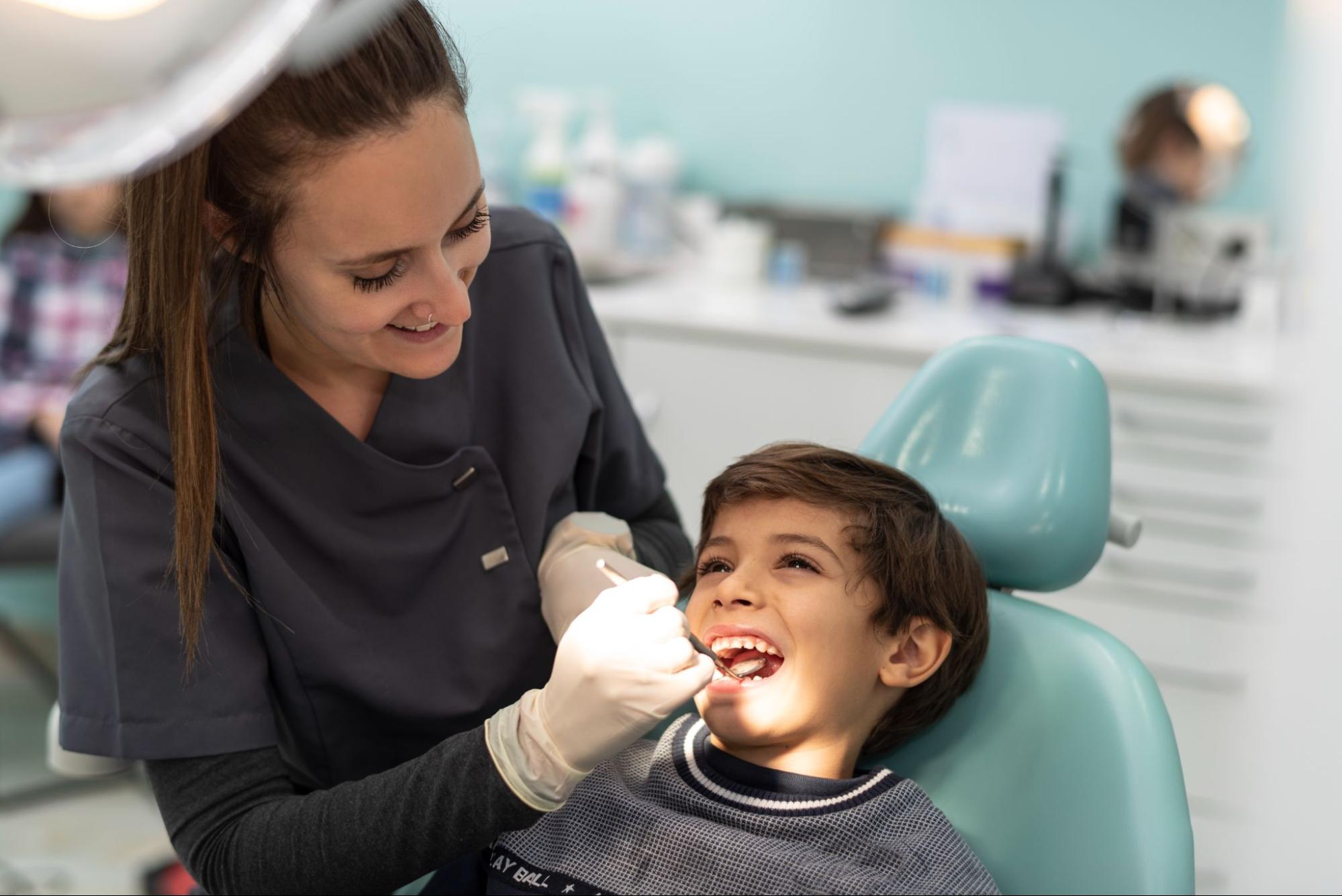
Your child’s orthodontist at Younis Orthodontics recommended a palatal expander. Now you’re wondering what that means, whether it will bother your child, and what the next few months will look like.
Palatal expanders are one of the most common early orthodontic appliances, and kids adjust faster than most parents expect. This guide walks you through how expanders work, what to expect at every stage, and how to help your child feel comfortable from day one.
Here’s what you’ll learn: how expanders work, why they’re recommended, the best age for treatment, daily care tips, and answers to the questions parents in Martinsburg ask us most.

What Is a Palatal Expander?
A palatal expander is an orthodontic device that gently widens a child’s upper jaw (the maxilla). It sits near the roof of the mouth and attaches to the back molars.
The appliance works by slowly separating the mid-palatal suture, the natural growth plate down the center of the upper jaw. Because this suture hasn’t fully fused in growing kids, a small amount of pressure each day creates new bone and expands the arch.
Expanders are most often used during Phase 1 treatment, the early stage of care for children with baby and adult teeth mixed together.
Why Would My Child Need a Palatal Expander?
Dr. John Younis, DDS, may recommend an expander for several reasons:
- Crossbite correction. When upper teeth fit inside the lower teeth, an expander realigns the jaws.
- Crowding relief. Widening the arch creates room for adult teeth to erupt in the right spots.
- Breathing and airway support. A wider palate can improve nasal airflow and reduce mouth breathing, which some research links to better sleep quality.
- Fewer future treatments. Early expansion often reduces the need for extractions or jaw surgery later on.
Catching these issues early gives your child’s growing jaw a head start.
The Best Age for a Palatal Expander
Most kids get an expander between ages 7 and 14, though earlier treatment within that range is generally more effective. The American Association of Orthodontists recommends that every child have a first orthodontic evaluation by age 7, which is when Dr. Younis can spot early signs that expansion may help.
Why so young? The mid-palatal suture is still flexible in childhood. Treatment is faster, gentler, and more predictable during this window. Once the suture fuses (usually in the mid to late teens), expansion becomes more involved and may require surgery to unfuse the suture.
Types of Palatal Expanders
Younis Orthodontics uses rapid palatal expanders. The design itself varies depending on your child’s age and where they are in their development. Some expanders attach to one tooth on either side of the upper arch. Others attach to two teeth on either side for more stability.
Dr. Younis matches the design to your child’s bite and stage of growth, so the version your child gets may look a little different from what a friend or classmate had.
What to Expect at the Fitting Appointment
Here’s how the first visit usually goes at our Martinsburg office:
- Digital records. Your child gets a quick digital scan of their teeth.
- Separators (sometimes). Small rubber spacers may be placed between the back molars a week before fitting to create room for the bands.
- Fitting day. The expander is cemented to the back molars. Kids feel pressure but not discomfort.
- Time in the chair. Plan on 30 to 45 minutes.
- Take-home kit. You’ll leave with the activation key, written instructions, and a schedule for turns.
How to Turn the Palatal Expander Key: Step-by-Step
Activating the expander at home sounds intimidating, but you’ll get the hang of it quickly. Follow these steps:
- Have your child lie back on a bed or couch with their head tilted back and mouth open wide. Use a flashlight or cell phone light for good lighting.
- Locate the small hole in the center of the expander. Gently insert the key straight in.
- Push the key toward the back of your child’s mouth. You’ll feel it rotate until a new hole appears at the front.
- Slowly remove the key straight back, following the direction of the turn. Never reverse it.
- Stick to Dr. Younis’s exact schedule, usually one or two turns per day.
If the key slips, you can’t find the next hole, or you’re not sure the turn was complete, call the Younis Orthodontics office before doing another turn.
The First Week: A Day-by-Day Guide
The first week is an adjustment, but it moves fast. Here’s what to expect:
Days 1–2: Your child feels sinus-like pressure around the nose and between the eyes after each turn. Saliva may increase. Speech sounds a little different, and swallowing feels new.
Days 3–4: The sinus-like pressure and soreness start to fade. Eating gets easier as jaw muscles adjust.
Days 5–7: Speech and swallowing are getting back to normal. You may notice a small gap forming between the front teeth. This is a good sign, it means the expander is working.
Common Side Effects and How to Manage Them
Most side effects are mild and short-lived:
- Pressure or soreness after turns. Offer age-appropriate over-the-counter relief as directed by your child’s pediatrician.
- Temporary lisp and drooling. Have your child read out loud for 10 minutes a day to speed up speech adjustment.
- Tongue irritation. Apply a small piece of orthodontic wax to any rough spot.
- Gap between the front teeth. Totally normal. It usually closes on its own once expansion stops.
Call the office if soreness worsens after day three, if you notice swelling, or if your child stops eating.
Foods to Eat and Avoid
What’s on the plate matters during expander treatment.
Skip these:
- Sticky candy, caramels, and gum
- Popcorn and hard nuts
- Ice and hard pretzels
- Chewy bagels and crusty bread
Load up on these:
- Soft pasta and rice
- Yogurt, smoothies, and applesauce
- Scrambled eggs
- Soft-cooked vegetables
- Ripe fruits cut into small pieces
For the first few days after each turn, stick with cool, soft foods. Cold treats like yogurt and smoothies feel especially good.
Cleaning and Oral Hygiene
An expander creates new spots where food can hide. A solid routine prevents buildup:
- Brush after every meal, spending extra time around the expander bands.
- Use a water flosser to clear food from under the appliance.
- Rinse with water if you don’t have a water flosser.
Good habits now protect your child’s teeth and gums throughout the whole treatment.
Treatment Timeline and What Happens After
Palatal expander treatment typically takes six months total: two to three months of active expansion plus three to four months of retention to hold the expansion as bone fills in the growth plate and makes the expansion permanent. Here’s the arc:
- Active expansion: Eight to twelve weeks of either daily or weekly turns. This is when the arch actually widens.
- Retention phase: The expander stays in place, unused, for another three to four months. This lets new bone fill in and stabilize.
- Follow-ups: Expect check-ins at our Martinsburg office every four to six weeks so Dr. Younis can track progress.
- What’s next: Depending on the child’s age, braces will be in place to take advantage of the better sized upper jaw.
When to Call the Orthodontist
Most issues are minor, but call us right away if:
- The expander feels loose or has come unglued from a molar
- Soreness gets worse instead of better after three days
- The key won’t turn or you can’t find the next hole
- You see swelling, persistent bleeding, or signs of infection
- Any part of the appliance bends or breaks
When in doubt, call. We’d rather answer a quick question than have you wait.
Helping Your Child Adjust Emotionally
Kids take cues from their parents. If you stay calm and matter-of-fact, they will too.
Try scripts like these:
- “Your expander is helping your top teeth make room for the grown-up ones. It’s like a stretcher for your smile.”
- “That funny voice? Your tongue is learning a new dance. It’ll figure it out in a few days.”
- “The pressure means it’s working. That feeling will go away really soon.”
Celebrate the small wins. First turn done. First full week complete. First meal that didn’t feel weird. If your child has a friend or classmate in Martinsburg or the Eastern Panhandle area who’s had an expander, connecting them can help too.
Cost and Insurance Considerations
Cost varies based on the type of expander and whether it’s part of a larger treatment plan. Many dental insurance plans include Phase 1 orthodontic benefits that help offset the cost for Martinsburg and Eastern Panhandle families.
Other ways to make treatment fit your family’s budget:
- HSA and FSA accounts often cover orthodontic care
- Flexible in-house payment plans
- Free consult to review all options before you commit
We’ll walk you through every number so there are no surprises.
Frequently Asked Questions
Does a palatal expander hurt?
No. Kids feel pressure after each turn and mild soreness for a day or two, but the process itself isn’t painful.
Can my child play sports or a wind instrument?
Yes to sports (a mouthguard is a good idea for contact sports). Wind instruments take a short adjustment period as the tongue learns to work around the appliance.
Will the gap between the front teeth stay?
No. That gap is a sign the expander is working. It usually closes on its own within a few months, though some kids need braces later to finish the job.
How is an expander different from braces?
An expander is an orthopedic appliance that widens the upper jaw by acting on the bone. Braces are an orthodontic appliance that move individual teeth. Many kids use an expander first to create space, then braces to fine-tune the smile.
Have Questions? We Have Answers
Dr. John Younis and the Younis Orthodontics team have been helping families across Martinsburg and the Eastern Panhandle navigate Phase 1 treatment with expanders for over 28 years.
Curious whether a palatal expander is right for your child? Schedule a free consult and we’ll walk you through everything, no pressure, just answers.
This article is for educational purposes and is not a substitute for a professional evaluation. Please consult a licensed orthodontist for advice specific to your child. Guidelines referenced from the American Association of Orthodontists (AAO), American Dental Association (ADA), and American Academy of Pediatric Dentistry (AAPD).