
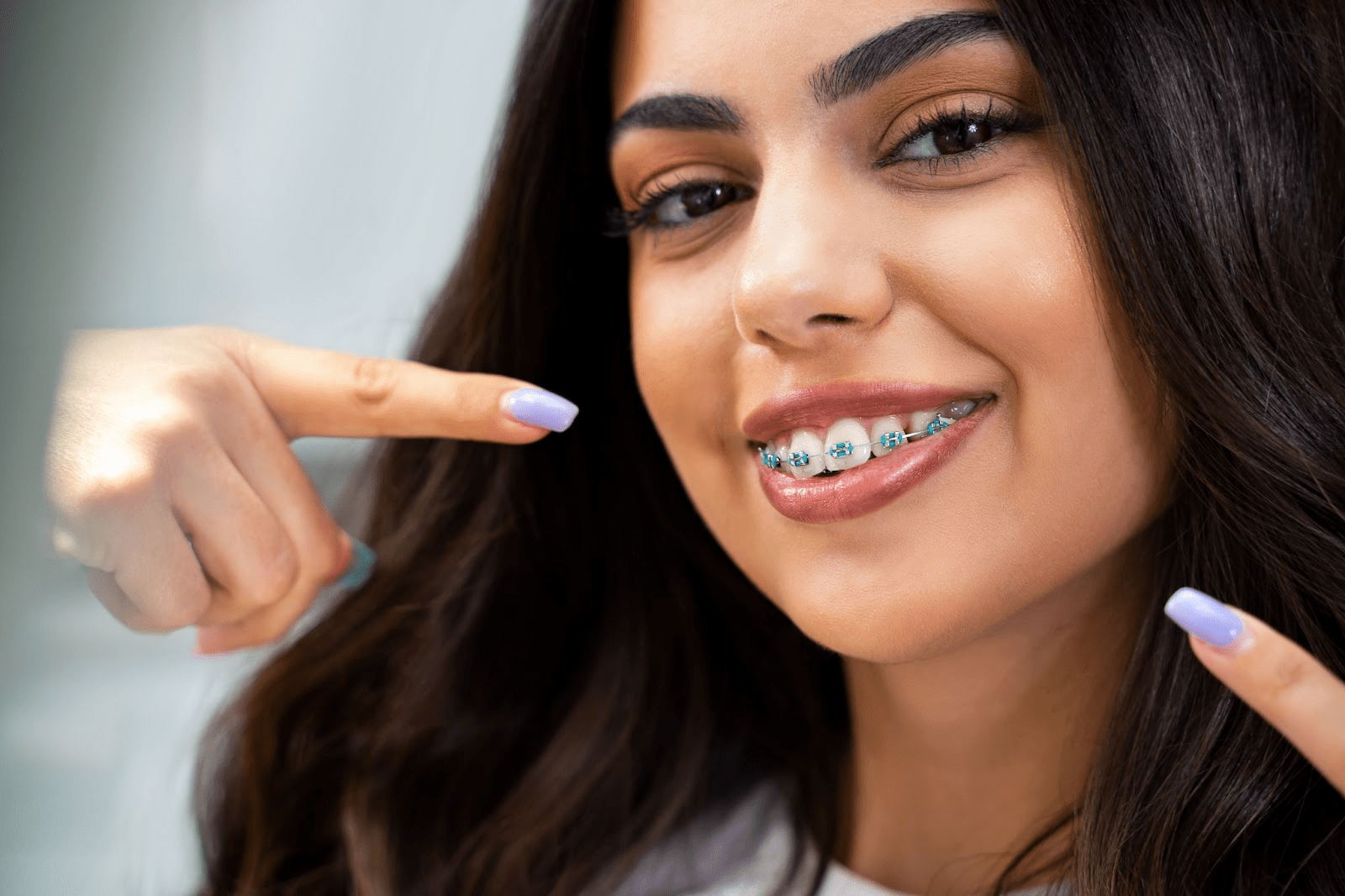
Getting braces for the first time comes with a lot of questions, and one of the most common is simple: do braces hurt? The honest answer is that braces aren’t painful, but most people feel some soreness during the first few days. It’s manageable, it’s temporary and it’s worth it for the straighter smile you’re working toward. Here’s what to expect, how to feel better faster and when to call us at Younis Orthodontics.
Do Braces Hurt? The Short Answer
Expect mild soreness for about 3 to 5 days, usually peaking 24 to 48 hours after your braces go on. It feels less like sharp pain and more like pressure, tenderness and an awareness that something new is in your mouth. Most people handle this stage comfortably at home with over-the-counter pain relievers, soft foods and cold compresses.
The soreness is a normal part of how teeth move. Teeth need gentle, steady pressure to shift into a new position, and your mouth takes a few days to get used to that pressure. The good news is that it passes quickly. By the end of the first week, eating, speaking and smiling feel much more natural.

Why Braces Cause Discomfort in the First Week
Braces work by applying light, continuous pressure to your teeth. That pressure is what gradually moves teeth into better positions, but your body needs a few days to respond to it. Knowing what’s happening under the surface can make the first week feel a lot less mysterious.
Here’s what’s actually going on:
- Bone remodeling. As teeth shift, the bone around them breaks down on one side and rebuilds on the other. This natural process is what lets teeth move safely.
- Periodontal ligament response. Tiny ligaments hold each tooth in its socket. When pressure is applied, those ligaments stretch and compress, triggering a mild inflammatory response that creates the “tender to bite” feeling.
- Soft tissue adjustment. Brackets and wires are new to your cheeks, lips and tongue. Until your mouth gets used to them, you may notice some rubbing or minor irritation.
Dr. Younis, a member of the American Association of Orthodontists and a past president of the West Virginia Association of Orthodontists, uses wires that deliver a low, gentle force. That means your teeth move steadily without overloading the tissues around them. Within about 5 to 7 days, the inside of your mouth toughens up, the pressure fades and daily life feels normal again.
Day-by-Day: What to Expect During Week One
Everyone’s experience is a little different, but most people follow a similar pattern during the first week. Here’s a day-by-day look so you know what’s coming.
Day 1: Getting Acquainted
Getting your braces on is painless and doesn’t involve any needles. Right after the appointment, your teeth don’t feel sore yet, but your mouth feels full. Brackets and wires feel bulky against your cheeks and tongue. Start eating soft foods right away, like yogurt, smoothies, scrambled eggs and mashed potatoes. Getting ahead of the soreness with soft meals makes the next 48 hours much easier.
Days 2-3: Peak Soreness
Expect this to be the most tender stretch of the week. Teeth feel sensitive, especially when biting down, and gums may feel sore. A cold compress against your cheek for 10 to 15 minutes at a time helps a lot, and an over-the-counter pain reliever like ibuprofen or acetaminophen, taken as directed, can take the edge off. Stick with soft foods and cool drinks.
Day 4: Turning the Corner
By day four, tooth soreness starts to fade. You may still notice some cheek or lip irritation where brackets rub, but the deep pressure eases up. This is a good time to start adding slightly firmer foods like pasta, soft bread or steamed vegetables.
Days 5-6: Settling In
At this point, most of the pressure is gone. If a bracket or wire is still rubbing a spot inside your cheek, press a small ball of orthodontic wax over it. Your mouth is quickly learning to work around the new hardware.
Day 7: Back to Normal
By the end of week one, eating and speaking feel much more natural. The inside of your mouth has toughened up, and most people feel used to their braces by now. The toughest stretch is behind you.
Normal Soreness vs. Discomfort That Needs Attention
Knowing what’s typical helps you feel confident during the first week. Most discomfort is predictable and short-lived. A few symptoms, though, are worth a call so Dr. Younis can take a look.
| Symptom | Normal First-Week Response | Call Younis Orthodontics |
|---|---|---|
| Tooth soreness | Dull ache, tender when biting, fades in 3-5 days | Sharp or throbbing pain lasting over a week |
| Gum tenderness | Mild soreness around brackets | Severe swelling or heavy bleeding |
| Cheek or lip irritation | Light rubbing, small spots that heal in days | Deep sores or ulcers that won’t heal |
| Speech changes | Slight lisp for a few days | Ongoing trouble speaking after week one |
| Bracket or wire issues | Secure brackets, wire ends tucked in | Loose bracket, broken wire or poking end |
A simple rule of thumb: pressure and tenderness that gets better each day is normal. Soreness that gets worse, a bracket that comes loose or a wire that pokes and won’t settle with wax are all reasons to call. Our team is always happy to check things in person and make quick adjustments.
First-Week Soreness Relief: Remedies and Supplies
Simple at-home remedies handle most first-week soreness. Keep these on hand before your appointment so you’re ready from day one.
- Over-the-counter pain relievers. Ibuprofen or acetaminophen, taken as directed on the label, helps with pressure and tenderness.
- Cold compress. Hold a cold pack or ice wrapped in a thin towel against your cheek for 10 to 15 minutes to ease swelling and soreness.
- Warm saltwater rinses. Mix a teaspoon of salt into a cup of warm water and swish gently. This soothes gums and helps small cheek sores heal.
- Orthodontic wax. A tiny ball of wax over a rubbing bracket or wire gives your cheeks and lips a smooth surface to rest against.
- Soft foods. Yogurt, smoothies, mashed potatoes, scrambled eggs, soup, pasta, applesauce and oatmeal are easy to eat and gentle on sore teeth.
- Topical oral gel. An over-the-counter numbing gel can calm a specific sore spot on your gums or cheek for a short time.
Having these ready before your appointment means you can deal with soreness right away instead of running to the store when you’re already uncomfortable.
Tips for Eating, Sleeping and Oral Hygiene the First Week
The first week is all about small adjustments. These tips will help you eat comfortably, sleep well and keep your teeth clean while your mouth gets used to braces.
Eating
- Stick with soft foods for the first 3 to 5 days.
- Avoid hard, crunchy or sticky foods like popcorn, nuts, caramels and whole raw apples.
- Cut food into small, bite-sized pieces so you don’t have to chew as hard.
- Choose cool or room-temperature foods while your teeth are most tender. Smoothies and yogurt feel great on sore teeth.
Sleeping
- An extra pillow for the first night or two can help you get comfortable.
- If soreness keeps you up, a dose of pain reliever before bed, taken as directed, can help you sleep through the night.
Oral Hygiene
- Brush gently with a soft-bristle toothbrush after every meal. Angle the brush to reach above, below and around each bracket.
- Floss once a day using a floss threader, super floss or a water flosser. It takes longer at first, but it gets faster with practice.
- Rinse with water after snacks when you can’t brush right away.
Your First-Week Kit Checklist:
- Orthodontic wax
- Over-the-counter pain reliever
- Salt for saltwater rinses
- Cold pack
- Soft-bristle toothbrush and floss threaders
- A fridge stocked with soft foods
With these basics ready, the first week tends to feel manageable rather than overwhelming. Before you leave your appointment, our team will also show you how to care for your braces.
Frequently Asked Questions About Braces Soreness
How long does it hurt after first getting braces?
Most people feel soreness for about 3 to 5 days after their braces go on. It usually peaks 24 to 48 hours in and then eases. By the end of the first week, the pressure is mostly gone and your mouth feels much more normal. If significant soreness lasts longer than a week, give our Martinsburg office a call.
What can I eat with braces the first week?
Soft foods are your best friend. Good choices include yogurt, smoothies, scrambled eggs, mashed potatoes, oatmeal, soup, pasta, soft bread, applesauce and steamed vegetables. Avoid anything hard, crunchy, chewy or sticky, which can damage brackets and make soreness worse. Cutting food into small pieces also reduces how hard you have to chew.
Can braces cause headaches?
Some people get mild tension headaches during the first few days with braces. The jaw and surrounding muscles are adjusting to new pressure, which can cause a dull ache. These headaches usually fade within a few days and respond well to over-the-counter pain relievers, rest and plenty of water.
How do I brush my teeth with braces for the first time?
Use a soft-bristle toothbrush and fluoride toothpaste. Brush at a 45-degree angle to clean above and below each bracket, then brush straight across the front of the brackets. Spend extra time along the gumline. Follow up with floss, using a threader or water flosser, to clean between teeth. Aim to brush after every meal when you can.
Does it hurt every time braces are tightened?
Adjustment appointments typically bring mild soreness for a day or two, and it’s usually less intense than the first week. The same at-home remedies work: soft foods, cold compresses and over-the-counter pain relievers taken as directed. Most people find each adjustment easier than the last as their mouth gets used to the process.
The first week with braces takes a little patience, but it goes by faster than you’d think. Dr. Younis and the Younis Orthodontics team will make sure you know what to expect at every visit. If you have questions about your first week or you’re ready to get started, schedule a free consult at our office at 2003 Professional Ct. in Martinsburg.